
Shimadzu Application News
No: 01-00856-EN
February 2026
HyperVision HPV-X3 Ultra High-Speed Video Camera
Observation of Detonation Wave and Shock Wave Generated by Detonation of a Silver Azide Pellet
by Fumiaki Yano & Yuki Nishikawa
User Benefits:
- The Shimadzu HyperVision HPV-X3 has a maximum framerate of 20 Mfps and is particularly well-suited to observation of high-speed phenomena such as detonation waves and shock waves.
- The HPV-X3 provides 3 times higher resolution than the conventional high-speed video camera, enabling detailed observation.
- Since the image sensor of HPV-X3 is burst-type, the HPV-X3 enables recording with constant resolution, regardless of the recording speed.
Equipment:
- Shimadzu HyperVision HPV-X3 ultra high-speed video camera
- Pulsed laser illumination
Introduction
One example of the uses of silver azide (AgN3) pellet is application of silver azide explosive charges in the medical field to disintegrate kidney and bladder stones. However, in recent years, silver azide has also been used as a technique for clarifying explosion phenomena. Silver azide pellet detonates by a laser. In the experiment described here, the detonation wave and shock wave generated by detonation of a silver azide pellet were observed using the newly-developed Shimadzu HyperVision HPV-X3 high-speed video camera.
In comparison with the conventional model, the recording speed (framerate) of the HPV-X3 is 2 times faster. Thus, the HPV-X3 is suitable for observation of high-speed phenomena such as detonation waves and shock waves. The resolution of the new HPV-X3 is also 3 times higher, supporting detailed observation.
Test Piece & Test Equipment
The test piece used here was a silver azide pellet with a diameter of approximately 1.5 mm. In high-speed imaging, shock waves were visualized using the Schlieren method and the shadowgraph method. Fig. 1 shows a schematic diagram of setup for recording ①, and Fig. 2 shows the condition of recording ②.
The Z-type Schlieren method is used in recording ①. Fig. 3 shows a schematic diagram of recording ① and ②. A silver azide pellet with a diameter of about 1.5mm was attached to the end of an optical fiber, and the pellet was detonated by irradiation with a laser. In recording ①, the condition in which a shock wave generated by detonation propagates and reflected by an aluminum alloy plate was photographed, while in recording ②, the area near the silver azide pellet was photographed. Table 1 summarizes the recording conditions.
| Table 1 Recording Conditions | |
| Recording ①: | Framerate: 1 Mfps Method: Schlieren Object: Shock Wave Propagation |
| Recording ②: | Framerate: 20 Mfps Method: Shadowgraph Object: Silver Azide Pellet Vicinity |
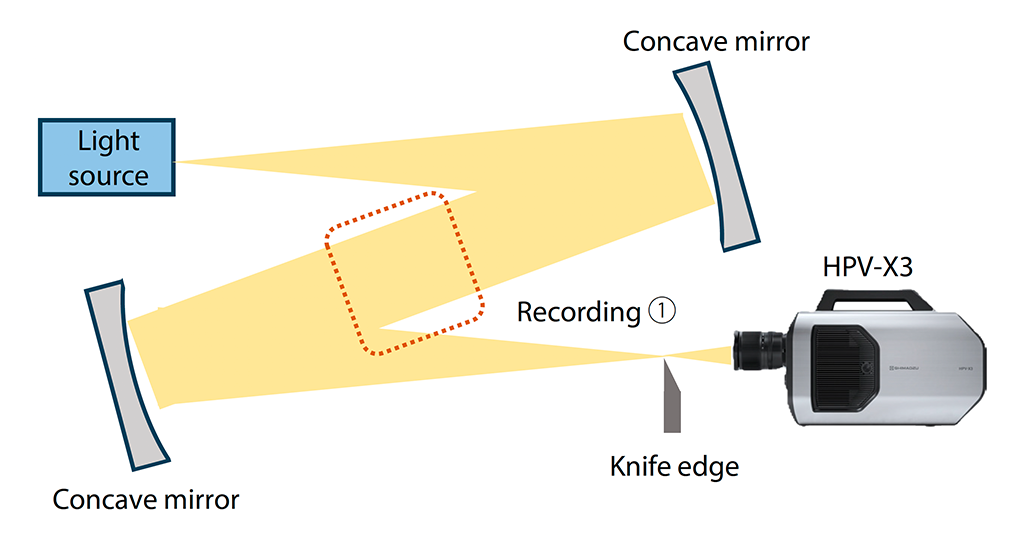
Fig. 1 Schematic Diagram of Recording ①
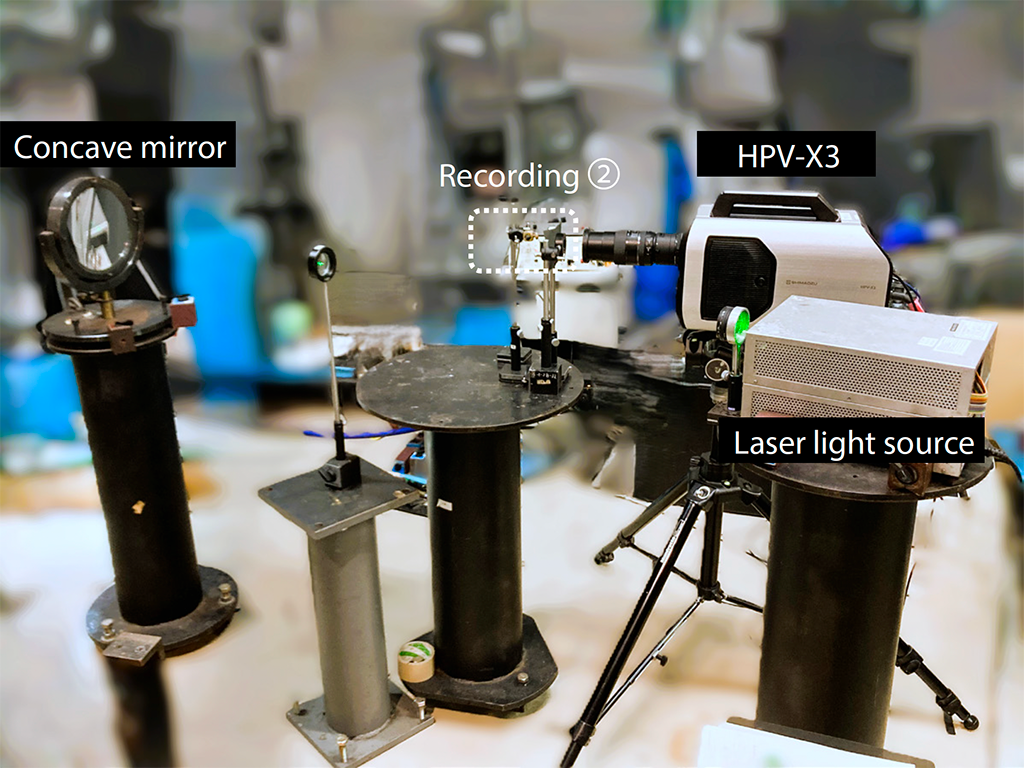
Fig. 2 Condition of Recording ②
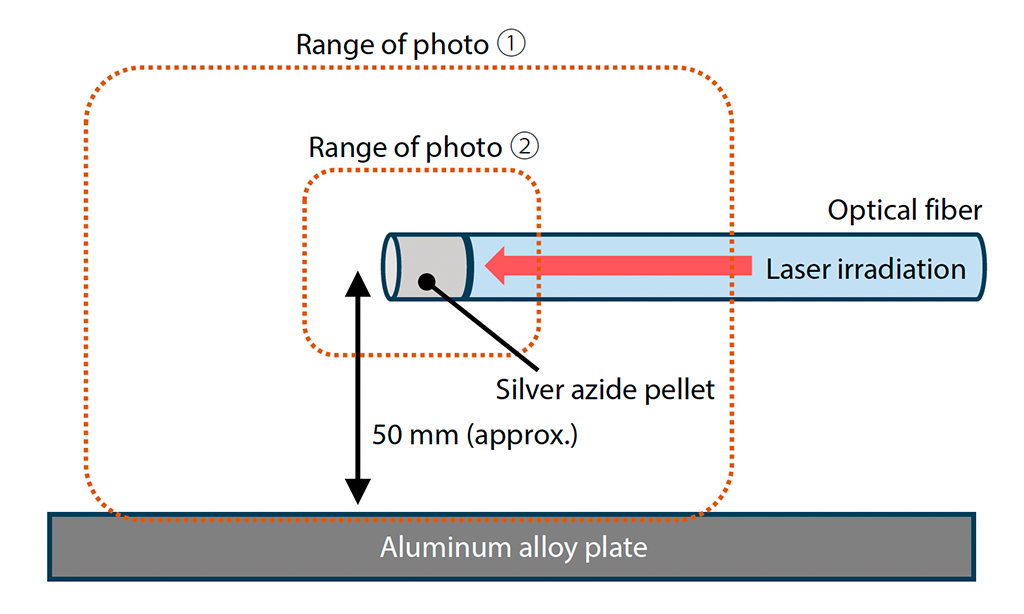
Fig. 3 Silver Azide Pellet and Optical Fiber
Detonation: A combustion phenomenon that propagates at supersonic speed, together with a shock wave, in a combustible mixed gas.
Results of Recording
Fig. 4 shows results of photography in recording ①. In image (1), a condition in which the silver azide pellet detonates, and a detonation wave and shock wave are generated can be seen. In recording ②, described below, the phenomenon that occurred between images (1) and (2) was observed in detail. The shock wave spread from images (2) to (6), and in image (7), the shock wave was reflected by the aluminum alloy plate. Then, from images (8) to (12), the shock wave spread further, and the reflected shock wave reached the vicinity of the detonated silver azide pellet.
Fig. 5 shows enlarged images of parts of image (5) and image (12) in Fig. 4. In Fig. 5 (a), fragments from the detonation of the silver azide pellet could be observed flying, accompanying the shock wave. In addition, an increase in the angle of these shock waves with time could also be observed from Fig. 5 (b), demonstrating that more detailed observation of the shock waves was possible as a result of the improved resolution of the HPV-X3.
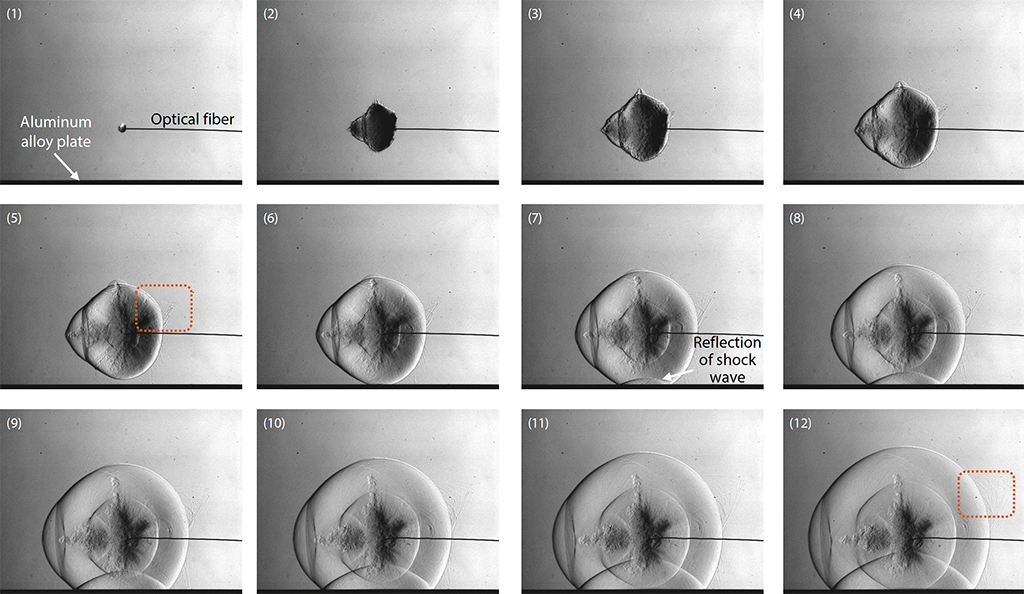
Fig. 4 Results of Recording ① (Time Interval Between Images: 15 μs, Field of View: ~250 mm)
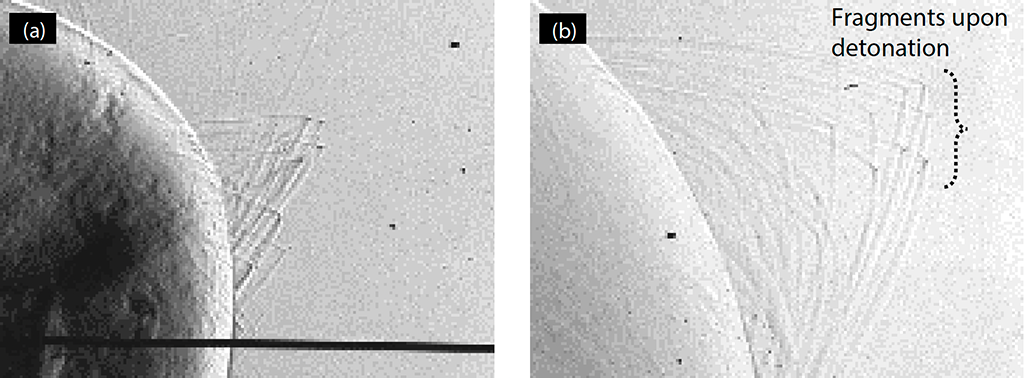
Fig. 5 (a) Partial Enlargement of Fig. 4 (5), (b) Partial Enlargement of Fig. 4 (12)
Fig. 6 shows the results of recording ②. In image (2), the silver azide pellet is detonated by irradiation with the laser. Then, in image (3), which was captured 450 ns later, the detonation wave was observed. In images (3) to (7), a condition in which the detonation wave expands can be seen. Following this, in image (8), a shock wave appears on the outer side the detonation wave, and in images (8) through (12), a condition in which the shock wave and detonation wave expand could be observed.
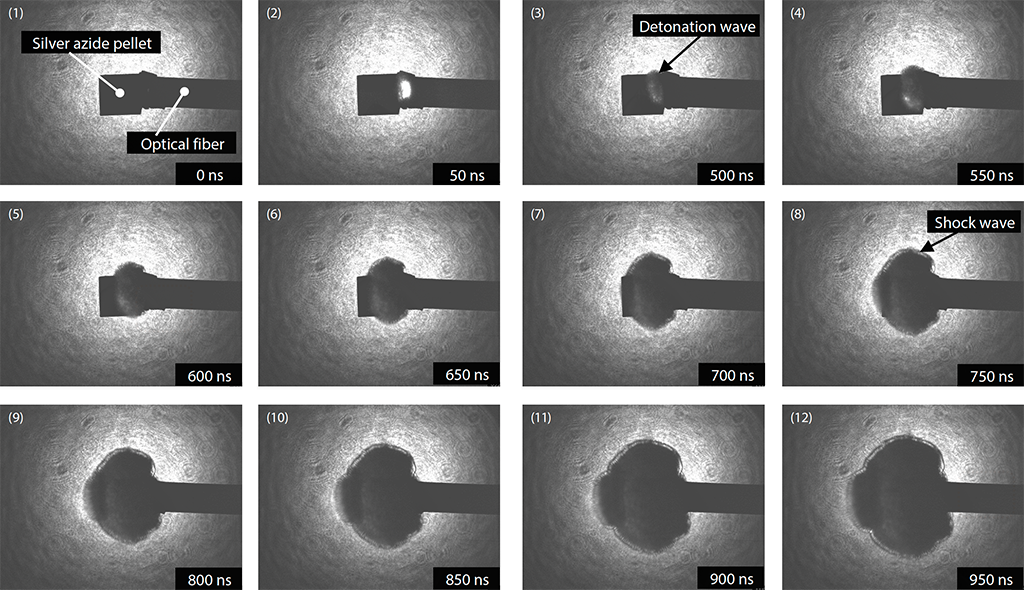
Fig. 6 Results of Recording ② (Field of View: ~9 mm)
Conclusion
Shimadzu’s new HPV-X3 high-speed video camera was used to observe the detonation wave and shock wave when a silver azide pellet was detonated. As an effect of the recording of shock wave propagation, detailed observation of the condition in which fragments from the silver azide pellet at the instant of detonation flew with the shock wave was possible. In close-up imaging of the silver azide pellet, the propagation of the detonation wave was very rapid, but detailed observation was possible owing to the 20 Mpfs recording speed of the HPV-X3.
Because the HPV-X3 offers improved resolution and a substantially higher recording speed in comparison with the conventional HPV-X2, the HPV-X3 is a suitable high-speed video camera for detailed observation of explosion phenomena.
The authors wish to thank Specially Appointed Associate Professor Kiyonobu Ohtani of the Institute of Fluid Science, Tohoku University.

Learn more about ultra high-speed imaging solutions:
Contact a Hadland Imaging representative to learn more about the Shimadzu HyperVision HPV-X3 & everything you need to get the job done right.
Keywords: 20 million fps, detonation waves, explosion phenomena, pulsed laser illumination, Schlieren method, Shadowgraph method, Shimadzu Application News 01-00856-EN, Shimadzu HyperVision HPV-X2 ultra high-speed video camera, Shimadzu HyperVision HPV-X3 ultra high-speed video camera, shock waves, silver azide explosive charges, ultra high-speed imaging